October 18, 2026
Colorbond Fencing Builders and the Relevance of Level Ground
By @josuecolorbondfencinginstallerbwrb935
A Colorbond fence can look crisp and strong when it is set up right, and it can appear like a second thought when the ground is treated like a second thought. The difference is typically not the steel, not the sheets, not even the colour. It is the degree ground behind the entire job.
When I'm talking to customers, the discussion frequently starts with personal privacy, style, and spending plan. Then, once we obtain outdoors with a measuring tape and a laser, the real tale appears. "Level" is not a buzzword. It is the difference in between a fencing that holds its line for years and one that starts showing waves, gaps, and stress factors while the paint and finishing are still fresh.
And given that many Colorbond fencing is installed on footings, messages, and rails that require to work as a system, getting the ground wrong does not stay a "minor" blunder. It becomes structural.
Let's unpack what degree ground actually suggests for Colorbond fencing builders and installers, why it matters, and just how the very best Colorbond fencing installers handle unequal websites without transforming your fence into a patchwork.
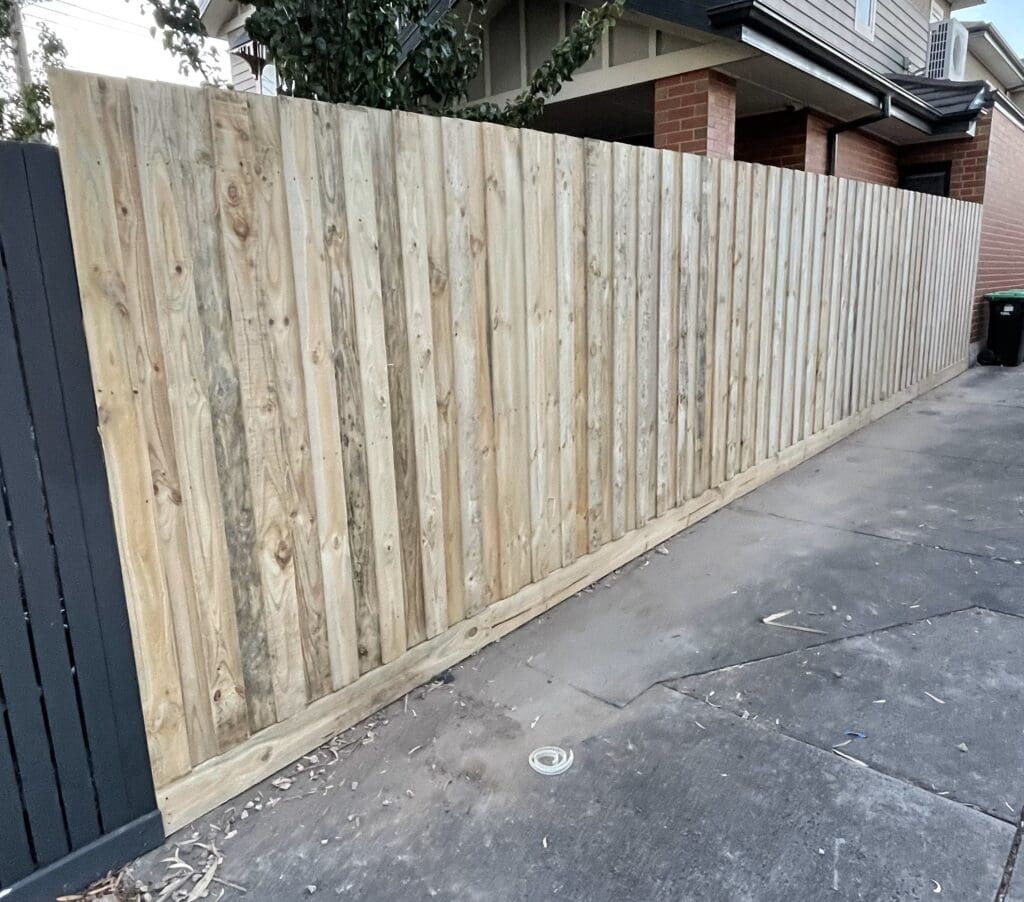
Level ground is not about perfection, it has to do with predictability
People listen to "level ground" and picture a flawlessly flat yard. Few real properties are flawlessly level. What you require is predictability. Also ground lets a fencing building contractor set messages at consistent elevations, straighten rails cleanly, and keep the account looking deliberate as opposed to accidental.
A fence is basically geometry. Blog posts develop upright referrals. Bed rails create straight referrals. The Colorbond fence sheets, whether they are mounted close with each other or with a calculated gap approach, rest inside that grid. When the ground drops away, the job ends up being more intricate, and intricacy is where craftsmanship shows.
On a gentle slope, you can still build a cool, regular fence. The technique is that you do not "pressure" the steel to behave like it is on a level slab. You either tip the fence system down in an organized means, change the ground deepness properly, or utilize a style approach that matches the website. Those choices depend upon what the neighborhood problems permit, what your council regulations and boundary requirements are, and what the fencing height and sheet design demand.
If the ground is not level and the installer tries to "make it function" by eyeballing message heights or by letting rails carry the disproportion, the fencing can look unequal from day one and deteriorate faster than it should.
What fails when the site is out of level
Uneven ground does not immediately wreck a Colorbond fence. However it develops details failing settings. I have actually seen them on jobs where the preparation was light or where the team was rushing to fulfill a schedule.
The most usual concerns are visual, yet they are likewise mechanical:
- The fence line wavers If the posts are set without audit for the slope, the fencing can develop a subtle wave. It might not look dramatic up close, however from the road or from a seeing angle, it reviews as "not square."
- Gaps appear where you did not budget plan for them Colorbond fencing installer quality displays in exactly how the sheet edges satisfy, just how the clearance at the base is taken care of, and exactly how the spacing stays consistent.
- Rails twist or become stressed Bed rails and brackets are made to being in line. When posts are mis-set, rails take on the tons they were not implied to take.
- Fasteners and brace factors function loose This is not an overnight disaster, however if the system is regularly under unequal tension, wear can accelerate.
On websites with an obvious decline, the temptation is to set the articles "roughly" degree at the top and allow the lower follow the ground. It seems quicker. It also implies the spacing between steel and ground changes from bay to bay, which can create drainage, snagging, and weed growth problems along the fence line. It can additionally transform how the fence handles wind.
Wind is a huge offer with any kind of steel fence. When the placement is inconsistent, wind loads can turn the rails and boost tension on specific sections.
The concealed job: establishing articles to a regular reference
To develop a strong Colorbond fence, a Colorbond fence installer has to do more than dig openings and decrease in messages. Good installers work off references. They established a regular measurement line and after that readjust footings to maintain alignment.
That indicates somebody is thinking like a building contractor, not like a painter.
On an incline, a proper work generally includes:
- determining the all-natural ground level changes along the fencing line
- planning blog post settings so rails can rest straight
- choosing whether to tip the fence, change footing depths, or utilize a system made for uneven surfaces
- checking positioning continuously as messages are installed and concrete sets
This is where level ground matters most. Also if the site is irregular, the contractor must still produce a level functioning line for the fence system. If the work avoids this step and relies upon "adequate," the fencing can develop advancing error. A tiny mis-set in one bay can be fixed later, however just if the installer captures it early. If they do not, you wind up chasing after troubles bay after bay.
I remember one work where we arrived midstream after another team had started messages on a slope. The fencing wasn't catastrophically incorrect, but it was subtly out of square. When you overlooked the line, the articles seemed to "lean" aesthetically, and the sheet layout started to wander. The only straightforward service was to readjust or re-set a handful of posts to get the fencing back onto a constant reference. It cost more money and time, however it stopped a fence that would certainly have bothered the homeowner forever.
That is the part people take too lightly: a fencing is a long-lasting function. You might not see minor placement problems on the day it goes in, yet you will certainly discover them on the day you host close friends, the day you do lawn upkeep, and whenever you keep an eye out the window.
How home builders approach unequal surface without trashing the look
There are a couple of means Colorbond steel fencing builders manage unequal ground. The "ideal" technique depends upon the incline intensity, the fence height, limit regulations, and what the fencing system allows.
A great Colorbond fencing installation group will talk you through choices instead of forcing one method.
For example, on moderate inclines, some building contractors create a stepped account where each area keeps straight rails yet the general fence elevation shifts bay to bay. On steeper sites, they may readjust footing midsts much more strongly so messages still hold a consistent leading rail degree. The objective is not to squash the globe. The objective is to make the fence behave like a fence.
The best Colorbond fencing installers additionally take into consideration drain and ground clearance. If the fence base clearance changes considerably along the line, it can encourage particles to gather versus the lower sheets or make it much easier for pets and delegates press via at one section yet not an additional. That can impact the recurring upkeep workload.
It also impacts exactly how the fence looks when plants adjustments. A fence that is constructed "virtually level" can come to be certainly irregular after months of turf growth, compost shifts, or small ground settling. Soil does move, and if the fencing system is currently under stress, settlement can overemphasize the problem.
The role of concrete and grounds on irregular sites
Level ground is not just an aesthetic concern, it is a ground issue. Grounds are where most architectural honesty originates from. If articles are set on irregular footing deepness without proper preparation, the post can end up with irregular embedment. That can matter in wind tons and over time.
Concrete is not magic. It is strong, but it counts on right positioning and correct curing. On irregular ground, you likewise run the risk of voids, inadequate get in touch with, and irregular blog post positioning if openings are dug in a hurry.
A serious Colorbond fence builder normally puts in the time to make sure posts rest correctly prior to concrete is put and that placement is held while the mix collections. If the ground is soft, there is also a demand to consider exactly how the dirt will behave under lots. The home builder needs to not treat every yard like it is the same.
If you have ever before watched a fence staff established articles while someone else is regularly going through the area, you understand just how placement can obtain interrupted. A good crew controls the work zone, marks levels, and maintains the reference line intact up until the concrete is secured in.
A dry run: stand back, then tip closer
Here is an easy way to recognize what "level ground" truly affects in a Colorbond fence.
When you stand back, you are trying to find connection. You can forgive small base clearance modifications if the fence line holds a consistent, willful profile. Yet when blog posts are not straightened appropriately, the fencing line reads like a wave.
When you tip closer, you begin seeing information. Rail straightness, brace positioning, and sheet edge consistency come to be apparent. If the installer attempted to make up for irregular ground using hurried adjustments, you frequently notice it below: a little uneven spaces, brace tension, or subtle imbalance that captures light.
The factor is, level ground affects multiple layers of the build. It affects just how the fencing looks from afar and exactly how it acts up close when sunshine hits the sheets at an angle.
This is why Colorbond fencing builders who respect top quality hang out determining. They are not overthinking it. They are reducing the possibility you will notice troubles later.
What a "professional level ground strategy" appears like on site
I'll explain what I try to find when examining a setup, since this is where you can find strong work early.
A qualified Colorbond fencing installer will typically:
- take measurements along the full fence run, not simply at the beginning and end
- set up a reference line and maintain using it as blog posts go in
- check plumb (vertical positioning) of each message prior to the concrete is final
- confirm rail alignment across several bays
- manage sheet format so any type of step or clearance technique looks deliberate
If a team starts with "we'll wing it and see" since the ground is "only a bit uneven," that's an indication. Soil can work out, inclines can change somewhat with rain, and fences are inflexible as soon as developed. The fencing can not negotiate with unequal ground. The builder has actually to.
On the other hand, even if your yard is sloped, you can still get a fence that looks sharp and feels solid. The difference is whether the home builders deal with uneven ground as a normal design trouble or an inconvenience.
Quick checks you can do before installation starts
If you are hiring a Colorbond fence installer or Colorbond steel fence builder, you can ask concerns that reveal just how they think of level ground. These checks do not need a home builder's permit, yet they do require you to seek process.
- Do they determine the slope along the full run and review alternatives for tipping or footing depth?
- Will they established a reference line and show post positioning methods prior to concrete is poured?
- How will they deal with base clearance adjustments along the slope so sheet gaps continue to be consistent?
- Do they describe exactly how they handle water drainage and debris at the fencing base on unequal ground?
- Will they show how they stop collective mistake across long fencing runs?
If the responses are vague, or they act like measurement is optional, you're risking a fence that will quietly drift out of line.
Common mistakes that turn up later
Uneven ground is challenging, and mistakes are simple to make if the process is rushed. A great deal of these errors are not noticeable on mount day, which is precisely when you require to be vigilant.
Here are some of the troubles I've seen repeat, especially when somebody tries to reduce time by decreasing dimension or missing planning.
- Setting all posts to the same leading height without adjusting footing depth or stepping the system.
- Using rails to "correct the alignment of" a bad blog post alignment, which forces tension right into braces and joints.
- Assuming the ground will certainly remain the same after rain, specifically on soft or lately functioned soil.
- Not reconsidering placement mid-run, so tiny mistakes build up throughout several Colorbond fence panels.
These concerns are avoidable. They simply call for persistence, dimension, and an installer who comprehends that the fence is a system, not a heap of parts.
Why "good enough" really feels fine at first, then obtains under your skin
A Colorbond fencing installation can look appropriate for a couple of weeks. Light changes. Landscape design grows in. You begin discovering various other projects. But fences are visible each day. You will discover the fencing line when you mow, when you wash down the patio, when you capture the view while cooking dinner.
If the fencing colorbond fencing installation was constructed with inconsistent placement, it becomes a repeating aesthetic improvement in your mind. It's not always dramatic, however it is constant.
And the anxiety is not just aesthetic. If the base clearance differs erratically, you can wind up with more debris collection in one area, even more weed growth in another, and animal access in position you did not expect. You begin spending for that imbalance in time spent maintaining and fixing.
Even a high-grade Colorbond fence layer does not cancel out structural issues developed throughout setup. Metal can be resilient and still be installed badly.
The wind variable: degree alignment reduces turning under load
Steel fence takes wind and transfers it through posts, rails, and braces. If the fence is developed with misalignment, wind tons can act differently. A somewhat wavy line can develop torsion in the rail system and anxiety points at certain brace locations.
This does not imply every irregular fence will stop working swiftly. Lots of will certainly still last years. However if the installation is out of alignment from the beginning, you are essentially loading the system erratically. In time, that can contribute to loosening up at equipment points and a refined destruction of the fence's straightness.
Level ground planning is one of the methods building contractors lower that tension. It aids the fencing act like a planned framework rather than a flexible compromise.
Choosing the ideal Colorbond fencing builder for your site
Not every Colorbond fencing builder works similarly. Some teams are wonderful on flat country blocks and less comfortable when the ground is a mixed bag of qualities, old keeping sides, and unequal soil. Others specialise in challenging sites and have a calmer, extra systematic approach.
You desire a Colorbond fencing builder that deals with slope as normal. They should not panic concerning it or speak to you like the backyard is the problem. They need to describe what they will certainly do in a different way because your website is uneven.
That typically includes just how they plan:
- post depth and embedment on varied ground
- alignment recommendations throughout multiple bays
- sheet format so the ended up Colorbond fence still looks intentional
- drainage and base clearance details
An expert installer likewise takes care of assumptions. If your slope is steep, you may not get a completely consistent base clearance across every panel without a stepped style or modified footing approach. Attempting to force uniformity can look cool on a drawing and turn ugly in reality.
Good building contractors reveal you the compromises early, and they create the fencing around the website rather than fighting it.
Keeping the fencing looking sharp after installation
Once the fencing is set up on properly planned degree referrals, your maintenance becomes easier. You still need to take care of it, but you are not regularly handling imbalance symptoms.
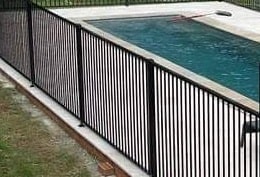
Practically, that indicates:
- keeping the base location clear enough that water does not sit versus the lower sheets for lengthy periods
- removing particles and leaves that can trap moisture
- checking aesthetically after storms for any shifts abreast (most proper installments will disappoint motion, yet it is clever to look)
- washing down when required, using suitable techniques for steel surfaces
Even with a strong finish, dust and natural build-up can create upkeep headaches. However when the fencing is installed properly, you do not include architectural troubles in addition to the routine.
A well-built Colorbond steel fence likewise holds its straightness much better when seasonal ground activity occurs. That belongs to why level ground planning is such a large deal.
Final word on level ground and Colorbond fencing
If you take nothing else from this, take this: degree ground is the backbone of a clean Colorbond fence result.
You may have a sloped driveway. You could have a yard that goes down towards a yard bed. You might have old soil that moves after rain. None of that disqualifies you from a terrific fencing. What matters is how Colorbond fencing installation is taken care of on irregular sites.
The ideal Colorbond fencing installer does not just set up. They gauge, strategy, and construct a system that can deal with real ground. They develop a regular reference for placement, handle base clearance smartly, and keep the fencing line straight bay to bay.
If your fence line looks sharp, remains aligned, and feels strong under typical use, you are checking out the payback of great level-ground thinking. And if you see waviness early, spaces that do not look deliberate, or anxiety factors forming around brace locations, that is typically the sign that the site preparation and post alignment obtained rushed.
Steel is solid. The installment is what makes it look effortless.
❧